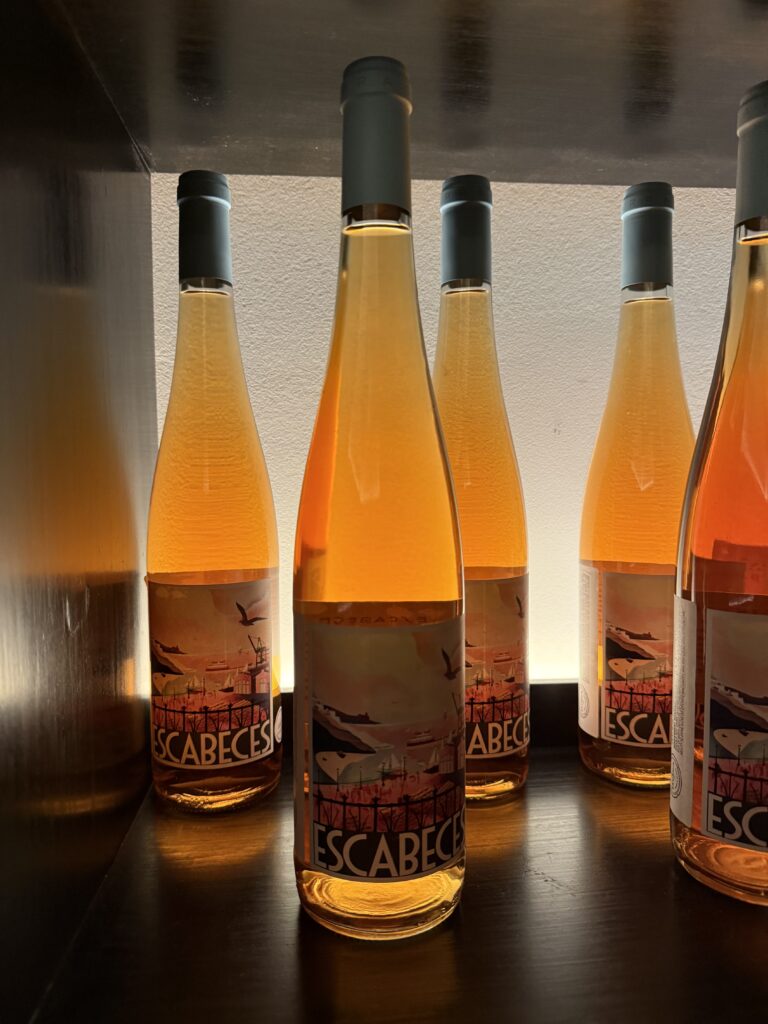
Rosé has long been the undisputed star of summer — crisp, refreshing, and effortlessly photogenic. It pairs beautifully with light fare: grilled fish, fresh pastas, and garden vegetables. At Bottino and ino, rosé finds its natural place on the table during warm months, especially in the company of seasonal dishes enjoyed al fresco.
But as the season shifts, a new character steps forward: orange wine.
What Makes Orange Wine Different?
While rosé is made from red grapes with only brief skin contact, orange wine takes the opposite route. Crafted from white grapes, the skins remain in contact with the juice for days or even weeks, lending the wine its copper-amber color, textured body, and notes that often lean savory, herbal, or even lightly tannic.
In other words: rosé is all about brightness and ease; orange wine leans into depth and complexity.
Why Orange Wine Belongs to Fall
Autumn brings heartier dishes, richer flavors, and cozier moods. Orange wine bridges the gap between the lightness of summer whites and the structure of winter reds. Its texture stands up beautifully to roasted meats, earthy mushrooms, and root vegetables, while its brightness keeps it lively enough for seafood or vegetarian plates.
At Bottino and ino, we love pouring orange wines alongside house-made pastas with fall squash, aged cheeses, or braised dishes. They complement the season’s flavors in a way rosé simply can’t.
The Year-Round Appeal
Rosé still has its place beyond summer, just as orange wine isn’t confined to fall. But together, they highlight how winemaking traditions can shape not only what’s in the glass, but how we experience the seasons at the table.
This fall, when you think of amber leaves, think amber-hued wine — a glass of orange to welcome the season.
Good options:
Cartoixa Vermell [Orange] 2022
Escabeces, Catalunya, Spain at Ino